Traditionally honored as one of the most significant inversions in Hatha Yoga, Headstand also carries genuine risk when approached without adequate preparation, strength, or guidance — this piece aims for honest, practical guidance rather than either dramatic warnings or casual encouragement.
The Genuine Risks Worth Understanding
Inverting the body places the cervical spine (neck) under significant load-bearing demand it is not naturally designed for, and incorrect technique — particularly relying on the neck rather than the shoulders and core for support — carries real risk of neck injury, including serious ones. This is not a pose to learn primarily from articles or videos.
The Critical Technical Principle: Weight on the Forearms, Not the Head
Properly practiced Headstand distributes the majority of body weight through the forearms and shoulders, with the head providing balance and only minimal weight-bearing — not, as the name might suggest, primarily supporting weight through the crown of the head and neck. This single principle, correctly applied, dramatically changes the safety profile of the pose.
Prerequisites Worth Having Before Attempting Headstand
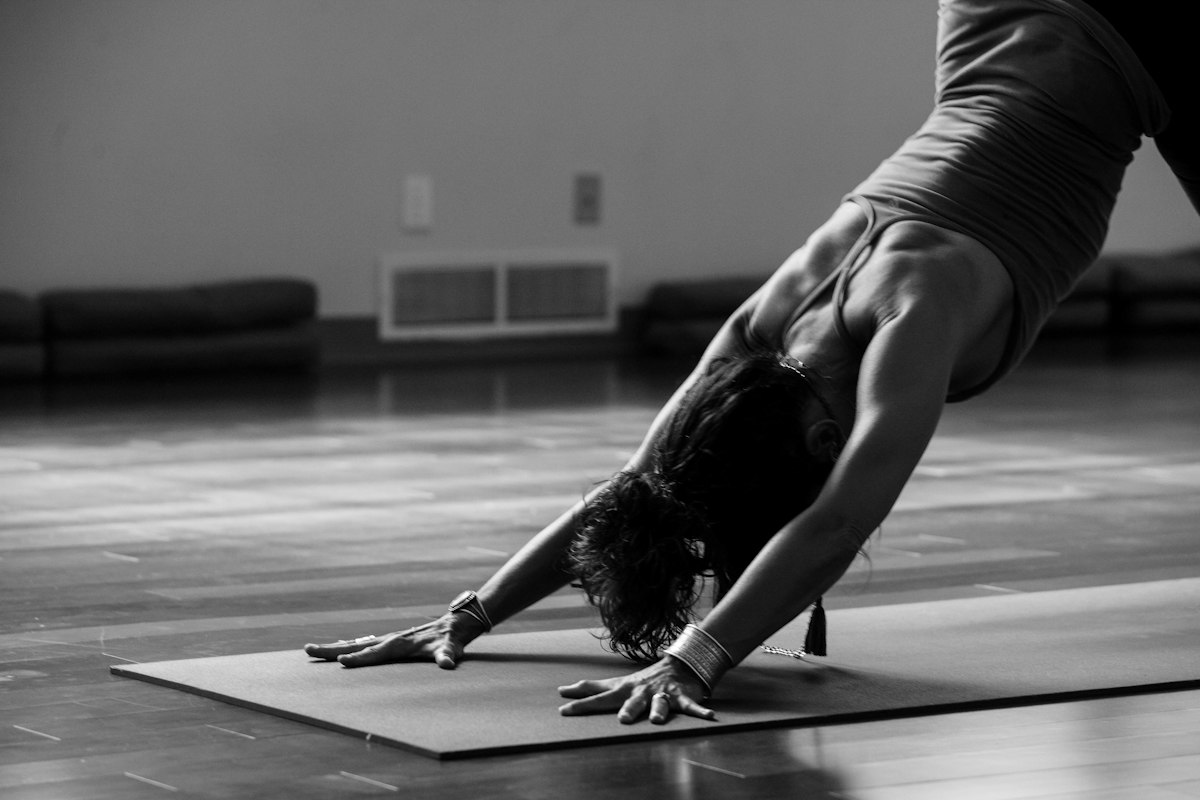
Genuine shoulder and core strength (developed through consistent practice of poses like Plank, Dolphin Pose, and Downward Dog), comfort and stability in simpler inversions, and — ideally — direct instruction from a qualified teacher who can observe and correct your specific alignment, represent reasonable prerequisites before attempting unsupported Headstand.
Who Should Avoid This Pose Entirely
Those with neck injuries or conditions, uncontrolled high blood pressure, glaucoma or other eye conditions sensitive to increased pressure, and pregnant women are generally advised to avoid Headstand, given the genuine physiological demands of full inversion.
Safer Alternative Inversions Worth Considering
Legs-up-the-wall (a gentle, low-risk inversion), Dolphin Pose (building the necessary shoulder strength without full inversion), and supported Shoulderstand variations all offer some benefits associated with inverting the body with meaningfully less risk than unsupported Headstand.
Why "King of Asanas" Doesn't Mean "Required for Everyone"
Traditional reverence for a pose does not mean every practitioner must achieve it, or that skipping it represents an incomplete practice — many experienced, knowledgeable practitioners and teachers choose not to practice unsupported Headstand regularly, given the risk-to-benefit calculation for their specific body and goals.
Learning This Safely, If You Choose To
If you do want to learn Headstand, doing so with direct, hands-on instruction — ideally including wall support during the learning phase — and genuine prerequisite strength is the responsible approach. This kind of careful, safety-prioritized instruction for advanced inversions is part of our 300-hour advanced program.